
The cheapest mini split you can buy is not the one your contractor wants to touch.
That’s the central tension in every HVAC decision on a flip. You’re trying to control costs. Your contractor is trying to not get called back in six months because a tenant has no heat. These goals are not always aligned, and the brand you choose is where they collide.
This guide is for house flippers and BRRRR investors — not homeowners looking for a set-it-and-forget-it comfort upgrade. That means the criteria are different: installation speed, contractor acceptance, resale optics, total installed cost, and warranty coverage during the hold period. We’ll cover what contractors actually spec, what the DIY option gets you, and where the budget plays make sense versus where they cost you more in the long run.
Why Mini Splits on a Flip at All
In Southern California and most of the Sun Belt, ductless mini splits have become the default HVAC upgrade on flips and BRRRR conversions for three reasons:
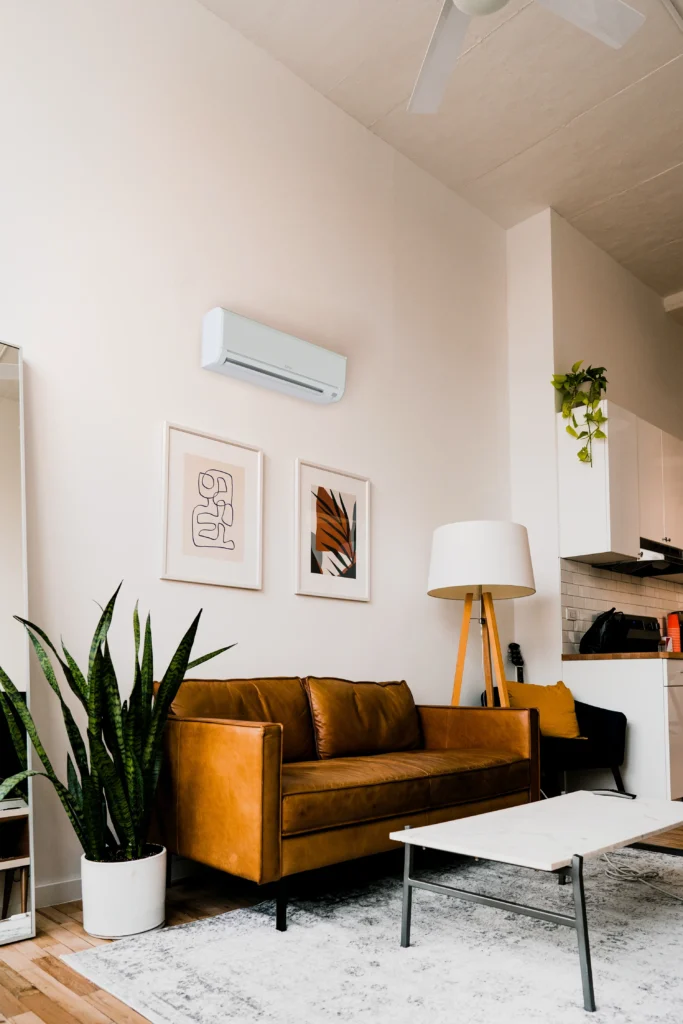
No ductwork. Older SoCal stock — 1950s–1980s construction — frequently has no existing ducts or has ducts in poor condition. Installing central HVAC on a ductless house means opening walls and ceilings. A mini split means a 3-inch hole through an exterior wall and a half-day installation.
ARV impact. A house without any HVAC in a warm climate is a liability on the MLS. A house with a name-brand mini split is a selling point. Buyers and appraisers can see it; it photographs well.
BRRRR exit math. If you’re refinancing into a DSCR loan, the appraiser is evaluating functional condition. Working, modern HVAC is a box that needs to be checked.
What Contractors Actually Install
Ask an HVAC contractor in the field — not a forum, not a brand rep — what they spec on residential installations when the homeowner isn’t demanding something specific, and you’ll hear three names consistently: Mitsubishi, Daikin, and Fujitsu.
Mitsubishi is what HVAC installers tend to buy for their own homes when budget isn’t the constraint — that preference shows up across contractors in every climate zone. Mitsubishi Electric takes the top spot for overall quality, with Daikin ranking second with the best compressor warranty in the industry and cold-climate performance rivaling Mitsubishi at 10–15% lower cost.
For flippers, the relevant question isn’t “what’s the best mini split” — it’s “what’s the right mini split given my hold period, exit strategy, and per-door budget.” That answer differs depending on whether you’re flipping to a retail buyer, converting to a long-term rental, or holding short-term.
The 5 Mini Split Systems Worth Knowing in 2026
1. Mitsubishi Electric M-Series — The Contractor’s Default
Unit cost (single zone): ~$900–$1,500
Installed cost (single zone): ~$3,500–$5,500
SEER2: Up to 33+
Compressor warranty: 12 years (registered)
Best for: Flips targeting retail buyers; BRRRR holds of 5+ years
Mitsubishi is the lock-in choice when you want an HVAC system that nobody questions — not the buyer’s agent, not the inspector, not the appraiser. The brand carries premium name recognition with buyers, installs cleanly, and has the deepest contractor service network in the country.
The tradeoff is cost. Mitsubishi installations frequently land north of $10,000 once professional labor and commissioning are folded in for multi-zone setups. Single-zone installs are more reasonable, but you’re still looking at a premium per-door number compared to value-tier alternatives.
For a flip where you’re targeting move-up buyers and need everything to show well, Mitsubishi is the pick. For a BRRRR conversion where the exit is a refinance and a long-term tenant, it’s worth asking whether the extra spend over Daikin or Fujitsu is justifiable.
2. Daikin 19-Series — Best Value in the Premium Tier
Unit cost (single zone): ~$750–$1,200
Installed cost (single zone): ~$3,000–$4,500
SEER2: Up to 19+ (standard); higher on select models
Compressor warranty: 12 years (registered, Daikin Comfort Pro install)
Best for: BRRRR conversions; value-conscious flips where quality matters
Daikin offers the best compressor warranty in the industry — 12 years — and cold-climate performance rivaling Mitsubishi at 10–15% lower cost. For a landlord holding a property for 7–10+ years, that warranty gap between Daikin/Mitsubishi and value-tier brands is where the ROI math changes.
The catch: if you DIY a Daikin, you have zero warranty. None. You can buy a Daikin unit for $1,500 online, but finding a tech to install it for less than $3,000 is very difficult. Daikin is a professional-install-only brand, and the warranty requires it. Budget accordingly.
For flips where your contractor relationship is solid and you want to keep the premium spend down while still installing something respectable, Daikin hits the sweet spot.
3. MRCOOL DIY (5th Gen) — Best for Investor-Installed Flips
Unit cost (single zone): ~$800–$1,400
Installed cost (DIY): Unit cost only — no labor
Installed cost (professional): ~$2,000–$3,500
SEER2: 23+
Compressor warranty: Lifetime (DIY-valid — no professional install required)
Best for: Hands-on investors; ADU conversions; flips where labor cost is the constraint
MRCOOL is the outlier on this list. MRCOOL is the best DIY mini split on the market in 2026 — the 5th Gen system’s 23+ SEER2 efficiency, pre-charged QuickConnect lines, and lifetime compressor warranty make it a genuine value over budget alternatives.
The critical differentiator: DIY homeowners save $2,000 or more in installation costs with MRCOOL versus brands that require a licensed HVAC pro. On a flip where you’re doing a lot of the work yourself or have a contractor who charges by the hour, that number is real.
The warranty structure also breaks the industry norm — most brands void the warranty on DIY installs. MRCOOL explicitly covers self-installations, which matters on a rental where you’re holding the asset and need coverage if something fails.
The efficiency ceiling (23+ SEER2) is below Mitsubishi’s flagship numbers, and the brand doesn’t carry the same name recognition with buyers. For a retail flip targeting buyers who will ask their inspector about the HVAC, this matters. For a BRRRR conversion where a tenant is moving in and the exit is a refi, it matters a lot less.
4. Fujitsu Halcyon — Best Efficiency-Per-Dollar in the Premium Tier
Unit cost (single zone): ~$700–$1,100
Installed cost (single zone): ~$2,800–$4,200
SEER2: Up to 33
Compressor warranty: 10 years (registered)
Best for: Flips in humid or hot climates; investors who want premium tier at a discount
Fujitsu is the best value in the premium tier — 33 SEER2 efficiency at 15–25% less than Mitsubishi. It’s the brand that HVAC professionals often recommend when a client wants Mitsubishi-tier performance without the full Mitsubishi price tag.
Fujitsu has a stricter warranty policy than the others — professional installation is required, no exceptions — but the per-unit cost savings over Mitsubishi while staying in the same efficiency and reliability tier is meaningful at portfolio scale.
Less consumer name recognition than Mitsubishi or Daikin, but any HVAC inspector will recognize it as a quality system.
5. Pioneer Diamante — Best Budget Option for Tight Flip Margins
Unit cost (single zone): ~$450–$700
Installed cost (single zone, professional): ~$1,800–$3,000
SEER2: 19–22
Compressor warranty: 5 years
Best for: Low-margin flips; non-primary HVAC zones; garage conversions
Pioneer is the honest answer when the deal doesn’t support a $4,000 installed HVAC system and you need something functional that won’t fail in year one. It’s not what contractors prefer to spec — the 5-year warranty is half of what Daikin and Mitsubishi offer — but it’s a legitimate brand with reasonable reliability scores for the price tier.
Use Pioneer on secondary zones, garage conversions, or flips where the ARV is low enough that spending $5,000 on HVAC is a negative ROI decision. Don’t use Pioneer as your primary system on a property you’re holding as a long-term rental.
Mini Split Comparison Table
| System | Unit Cost | Installed (Est.) | SEER2 | Warranty | DIY Valid | Best Flip Use Case |
|---|---|---|---|---|---|---|
| Mitsubishi M-Series | $900–$1,500 | $3,500–$5,500 | 33+ | 12 yr | No | Retail flip, premium buyer |
| Daikin 19-Series | $750–$1,200 | $3,000–$4,500 | 19+ | 12 yr | No | BRRRR, quality-conscious hold |
| MRCOOL DIY 5th Gen | $800–$1,400 | $0 labor (DIY) | 23+ | Lifetime | Yes | Investor-installed, ADU |
| Fujitsu Halcyon | $700–$1,100 | $2,800–$4,200 | 33 | 10 yr | No | Premium value, hot climate |
| Pioneer Diamante | $450–$700 | $1,800–$3,000 | 19–22 | 5 yr | No | Tight margins, secondary zones |
Sizing Guide: What BTU for a Flip Property
Getting the BTU sizing wrong is the most common mini split mistake on a flip — oversizing causes short-cycling (comfort issues, higher bills, shorter compressor life); undersizing means the unit runs constantly and still can’t cool the space.
Rule of thumb for SoCal:
- Up to 400 sq ft: 9,000 BTU (¾ ton)
- 400–650 sq ft: 12,000 BTU (1 ton)
- 650–1,000 sq ft: 18,000 BTU (1.5 ton)
- 1,000–1,400 sq ft: 24,000 BTU (2 ton)
- 1,400–2,000 sq ft: 30,000–36,000 BTU (2.5–3 ton)
Adjust up 10–15% for south-facing rooms, poor insulation, or high ceilings. If you’re sizing a whole house with multiple zones, each zone gets sized independently — a multi-zone outdoor unit connects to multiple indoor air handlers.
A Note on Refrigerant (R-410A vs R-32)
Under the U.S. AIM Act, high-GWP refrigerants such as R-410A are being phased down. From 2025–2026 onward, many new residential systems move to R-32 or R-454B, which have a lower global-warming potential.
In practical terms for flippers: if you’re buying new equipment in 2026, choose systems already on R-32 or R-454B. R-410A systems are still legal to service, but the refrigerant will get more expensive over time as supply tightens. All the brands on this list have transitioned or are actively transitioning their new units to low-GWP refrigerants.
The Flip Decision Framework
Retail flip, ARV above $600K, buyer demographic is move-up: Install Mitsubishi. The brand premium adds perceived value and removes a negotiating point.
BRRRR conversion, holding 5–10+ years: Daikin or Fujitsu. You’re paying for the warranty and reliability, not the brand name on a listing.
Investor-installed, hands-on, flipping on tight margins: MRCOOL DIY. The labor savings are real and the lifetime warranty is legitimate.
Low-margin flip or secondary zone: Pioneer. Get the space conditioned and move on.
Disclosure: FlipperGrade.com uses affiliate links. If you purchase through links on this page, we may earn a commission at no additional cost to you. We only recommend products and brands we’d install on our own investment properties.